Rural, Progressive, and Unapologetic
India May and a progressive wave fueled by hope, grit, and community care.

I hope you, my dear readers, have been missing me in your inboxes… but with the world being the way it is, I doubt you’ve even noticed. I, too, am overwhelmed by the constant barrage of chaos, rage-bait, and terrifying headlines. In between panic scrolls, I attempt to keep up with my day job while juggling the things that come with summertime: baseball games, swim lessons, vacation logistics, last minute meals, the occasional bath for the children… and trying to not completely lose my mind in the onslaught of bad news.
Some days, it feels like the world’s on fire.
But I found time to write to you this week because still, there is hope.
Remember that moment (that feels like a hundred news cycles ago now) when Joni Ernst smirked and said, “We all are going to die” at a town hall? That line didn’t come out of nowhere. It was in response to a woman in the crowd who had just yelled, “People will die!”
That woman? India May.
A public librarian, a nurse, a mom, and my friend.
She was already planning to run for office before that headline blew up. That moment didn’t make her political. She already was. What that moment did do is show the rest of the world what some of us in District 58 already knew: she’s unshakable.
And now she’s going to be on the ballot right here in my district.
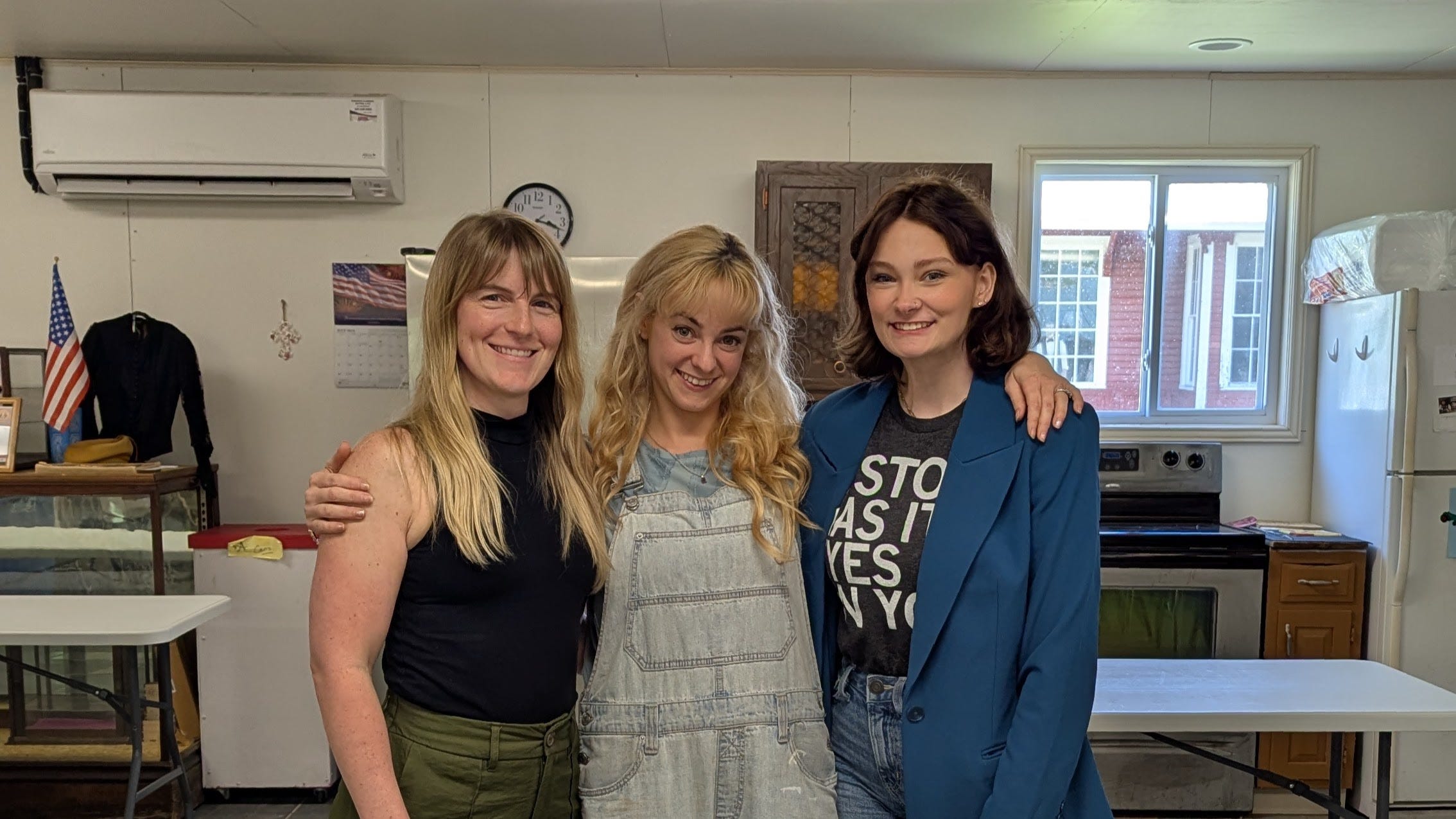
India isn’t the kind of candidate who shows up with a polished speech in a power suit. She shows up with paint on her overalls, comfy shoes, a clipboard, and an extra snack in case your kid gets hangry. She’s not pretending to know everything. She’s just deeply committed to listening and to building something better.
This isn’t performative politics. It’s participatory.
And she’s not alone.
Across Iowa, and across the country, a new kind of Democrat is stepping up. They’re not climbing the ranks of the party machine or waiting for permission. They’re nurses and librarians. Hairdressers and teachers. People who’ve been in the trenches of community care for years and finally said enough. If no one else is going to fix this, I guess I will.
They're tired of watching public schools get gutted. Tired of book bans and private voucher scams. Tired of working three jobs and still being told to “budget better.”
But here’s the thing. These new Progressive Democrats aren’t just pissed off. They’re organized.
They’re partnering with mutual aid networks. Showing up at protests and school board meetings. Hosting food drives and community dinners and petition trainings in church basements. They’re running on policy, yes, but they’re fueled by something bigger: a radical kind of hope.
The kind that grows from knowing your neighbors, from feeding people, from being in the messy middle of things and deciding to stay.
Take Nathan Sage. He’s not a lobbyist or a lawyer. He’s a mechanic. A union guy. A straight-talker who isn’t afraid to get his hands dirty, literally or politically. He’s running for Iowa Senate because he’s seen what decades of neglect have done to our towns, our roads, our schools, and our people. And he knows that no amount of tax breaks for the ultra-wealthy is going to fix it.
Then there’s Leila Staton: young, fierce, and already more prepared than half the folks currently in office. She’s running in District 54 with the kind of clarity and courage that makes you sit up a little straighter. She’s not soft-pedaling anything. She’s talking about workers’ rights, LGBTQ+ rights, reproductive freedom, racial justice... right out loud and on purpose.
And they’re doing it in rural Iowa.
These candidates aren’t trying to look like politicians. They’re trying to look like us.
Because here’s the truth: rural folks aren’t some monolith of pickup trucks and Fox News. There’s real political diversity here. There’s hunger for change. But for too long, rural areas like ours have been written off as lost causes.
But these candidates aren’t having it.
They’re knocking doors. Building coalitions. Talking to people who’ve felt ignored or abandoned by both parties. They’re bringing protest signs and potluck casseroles. They’re campaigning the way they’ve lived, rooted in community care, not political clout.
To the Democrats who came before us:
Thank you.
Truly.
You fought for labor protections. For civil rights. For school lunch and Social Security and so many things we now take for granted. Your work laid the foundation for what we’re trying to build today.
But we need to be honest about where we’re at.
While we were chasing compromise, the other side was rewriting the rules. While we waited for perfect messaging, they banned books and gutted public schools. And while we tried to play it safe, entire communities were left behind.
It’s not that your vision was wrong. It’s that the fight has changed.
This new generation of candidates are stepping up with different tools. Not because they’re more radical, but because the moment requires it.
They’re leading with mutual aid. With community defense. With open-door campaigns and radical hospitality. They’re not running to be the loudest voice in the room. They’re running to make more room.
And we hope you’ll be right there with us. Sharing stories. Knocking doors. Passing the torch — not because your time is over, but because your legacy deserves to grow.
This isn’t a break from the past. It’s the next chapter.
And here in District 58, it’s already begun.
We live in a place where neighbors bring soup when someone’s sick. Where folks still do the “farmer wave” to oncoming drivers. Where the school lunch ladies know every kid’s name.
But we also live in a place where hospitals are closing. Where teachers are underpaid and classrooms are overcrowded. Where some towns haven’t seen a new business open in years.
We’ve been told to expect less. To accept decline as inevitable.
India May is here to prove we deserve better.
So here’s your invitation: If you live in District 58, or know someone who does, get involved. Knock a door. Host a meet-and-greet. Find a new recipe for the next potluck. Chip in ten bucks if you can.
Because this is what it looks like when rural folks take the mic back.
And I’m proud to be standing beside her.